Save big on Dry Flush toilets!

Small RV Toilets: Choosing the Right One When Every Inch Counts
When you’re living the RV life, bathroom space is always at a premium—and the wrong toilet can make a small setup feel even smaller. In this guide, we break down how to choose the best small RV toilet when every inch counts.
Red Rhyder
2/18/20263 min read
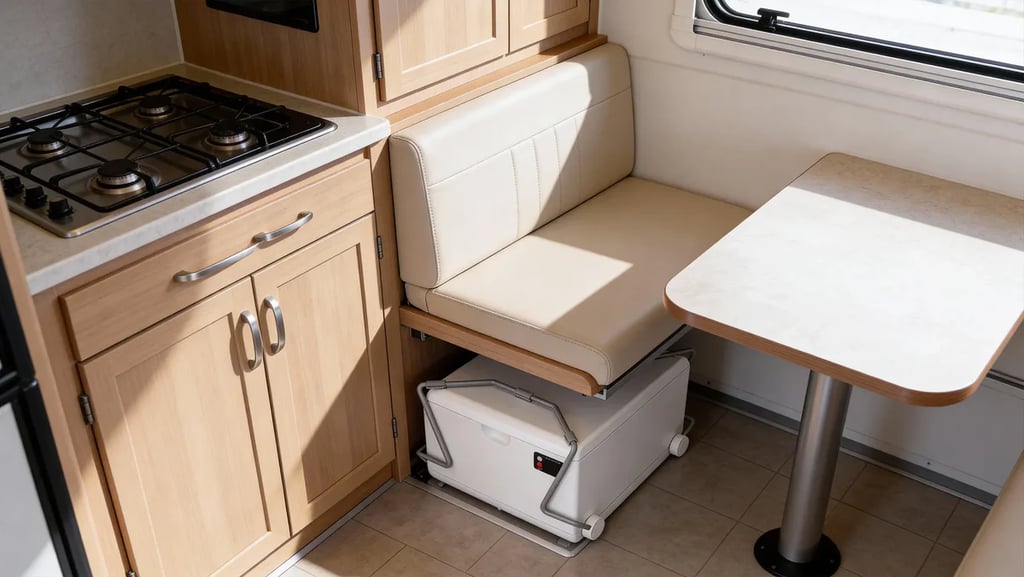
A small RV toilet is often treated like it’s simply a regular RV toilet made smaller. But that mindset is exactly what causes many of the headaches owners run into after installation.
In reality, “small” has less to do with looks and more to do with compatibility—how the toilet works within tight dimensions, awkward layouts, and the limitations of your RV’s plumbing, power, and waste setup. In this guide, we’ll define what “small” truly means in an RV, explain who benefits most from a compact toilet (and who doesn’t), and walk through the key decisions that help you avoid costly mistakes when every inch matters.
What Does “Small RV Toilet” Really Mean?
A “small RV toilet” isn’t just a shorter seat or a smaller bowl. In tight RV bathrooms, the real definition of small comes down to whether the toilet works inside your specific space and setup. Most of the time, size is limited by three practical factors:
The floor footprint (how much room the base takes up and where it can be mounted)
The available height (especially under cabinets, shelves, or sloped walls)
The usable space in front (enough room to sit and stand comfortably)
So RV toilet “size” is really about layout fit, not just how compact it looks. Plenty of toilets seem small on paper but end up being awkward because they require space—or plumbing/power conditions—the RV simply doesn’t have.
The 3 Space Constraints That Matter Most
When you’re shopping for a toilet in a cramped RV, these three constraints usually matter more than brand name or outside measurements.
1. Floor Footprint
The base has to sit solidly on the floor and align with your mounting points. If the footprint is too large—or doesn’t match the existing setup—you may end up forcing modifications. That can lead to a shaky install, stress on seals, and a higher risk of leaks over time.
2. Vertical Clearance
Height limitations are common in compact rigs. A toilet that’s technically “small” can still feel wrong if it crowds into a cabinet edge or tight wall space. Even when it fits, low headroom and tight vertical space can make the bathroom feel cramped fast.
3. Front Clearance
This is the one many people miss. The space in front of the bowl affects comfort more than bowl shape or seat size. If your knees and feet don’t have enough room, using the toilet becomes annoying—even if everything else fits.
In a small RV bathroom, comfort isn’t about luxury—it’s about basic ergonomics. Toilets with a stable base, sensible seat height, and balanced proportions stay usable and comfortable longer, even in tight layouts.
Who Should Choose a Small RV Toilet?
A compact RV toilet makes the most sense when saving space is the priority over having a roomy bathroom experience. It’s especially useful for:
Van life and camper vans
Small motorhomes and compact travel trailers
Weekend trips or occasional use
Layouts where every inch affects storage and movement
In these rigs, flexibility matters almost as much as footprint. Many people do best with self-contained options that still maintain good stability and comfort—whether installed in a tiny wet bath or used in a more adaptable setup.

Who Should NOT Choose a Small RV Toilet
You should think twice if you fall into one of the following categories:
Full-time RV living
Large RVs with generous bathroom space
Users prioritizing comfort over footprint
Setups with established water and waste systems
Small RV Toilet vs. Portable RV Toilet
A common mistake is assuming that a small RV toilet and a portable RV toilet serve the same purpose. They do not.
A small RV toilet is designed to integrate into a fixed layout, even when space is limited.
A portable RV toilet is designed for flexibility and temporary use.
That said, not all toilets fall strictly into one category. Some modern dry flush toilets are designed to bridge the gap between fixed small RV toilets and portable units. They can be placed securely within a fixed layout while remaining fully self-contained, allowing them to be repositioned or used flexibly when conditions require it. This hybrid approach works well for users who want stability without giving up adaptability during travel or off-grid use.
Common Mistakes When Choosing
Focusing on exterior dimensions instead of layout compatibility.
Ignoring how waste is handled and maintained.
Assuming “it fits now” means “it will work long-term.”
RV toilet size alone never guarantees usability. How the toilet interacts with the space matters far more.
When a Different Toilet System Makes More Sense
There are situations where even the best small RV toilet is not the right answer.
In small spaces with limited water and waste options, changing the system is better than just getting a smaller toilet. Many RV owners now avoid complex plumbing and black tanks. Instead, they choose self-contained systems for easier maintenance.
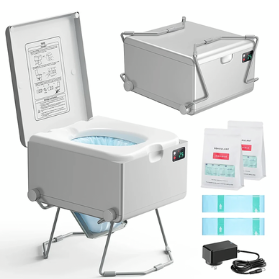
The LE-310 dry flush portable toilet is a perfect example of this—it works well in fixed or flexible layouts without needing traditional plumbing.
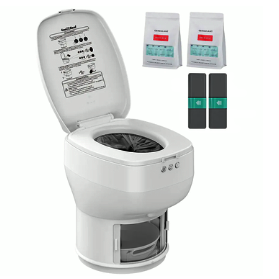
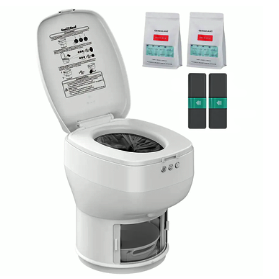
Modiwell R1808 RV Toilet Waterless Dry Flush Fixed-Loo Seal
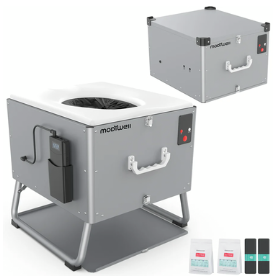
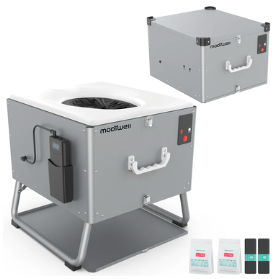
Modiwell PT-830 Waterless Dry Flush Toilet - 450 lb Support
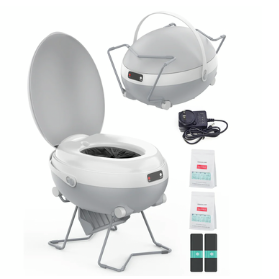
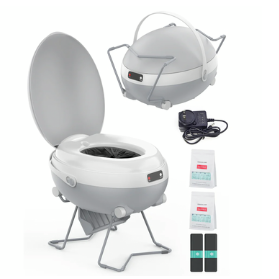
Modiwell LE-330 "Space Egg" Portable Dry Flush Toilet with Carry Handle
Our Best Sellers
Modiwell USA
Portable sanitation through continuous innovation
Contact
Newsletter signup
sales@modiwellusa.com
336-437-4540
© 2026. All rights reserved.